
Healthline.com E-E-A-T Integration:
Enhancing SEO with Personal Experiences
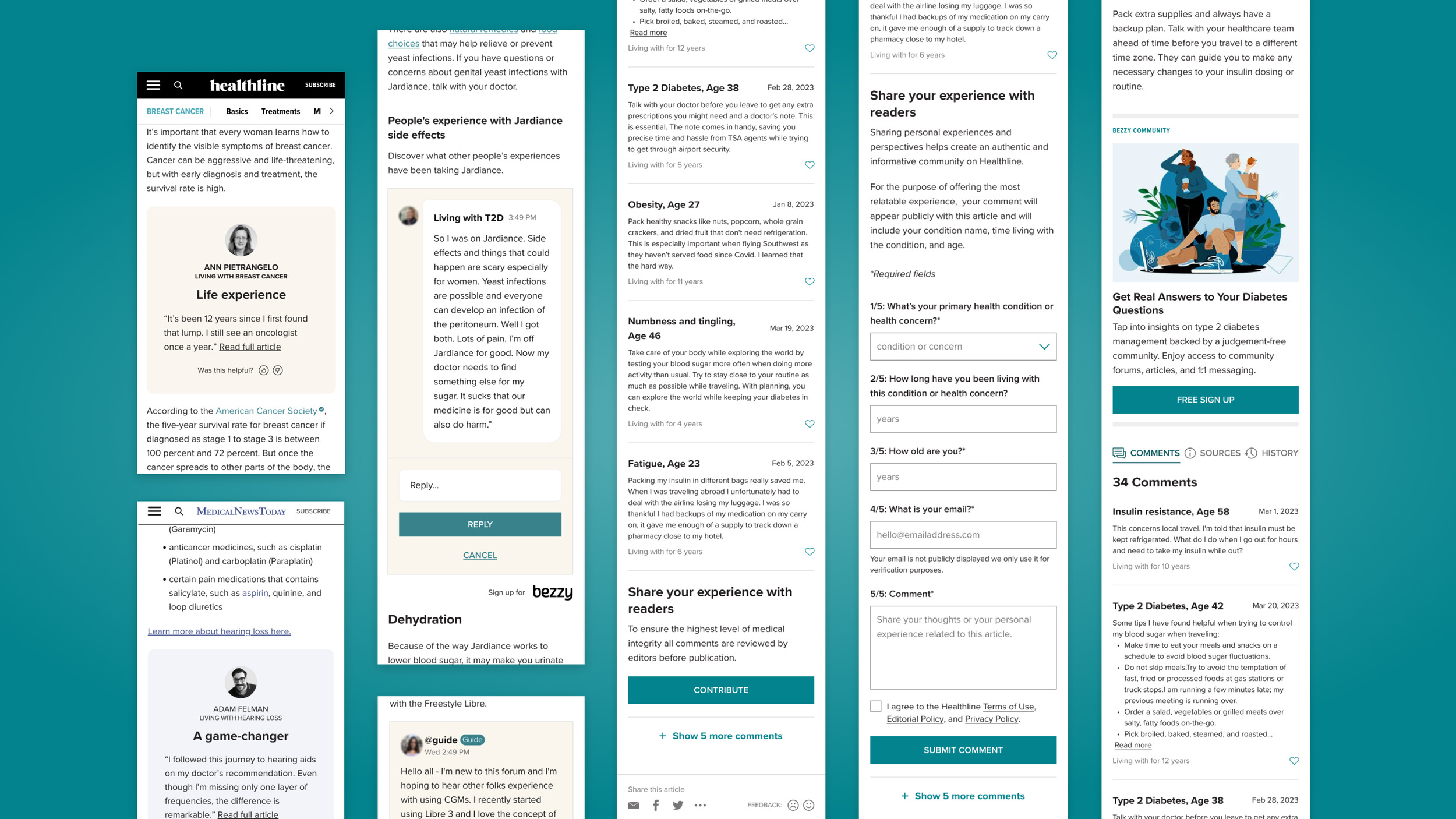
Healthline.com, a leading health media website, depends heavily on SEO for traffic. In response to Google’s December update to its E-E-A-T (Experience, Expertise, Authoritativeness, Trustworthiness) framework, which prioritized real, first-hand experiences, Healthline aimed to be the first major health site to integrate personal stories into its content. This approach was designed to improve SEO rankings, boost user engagement, and foster trust.
Problem
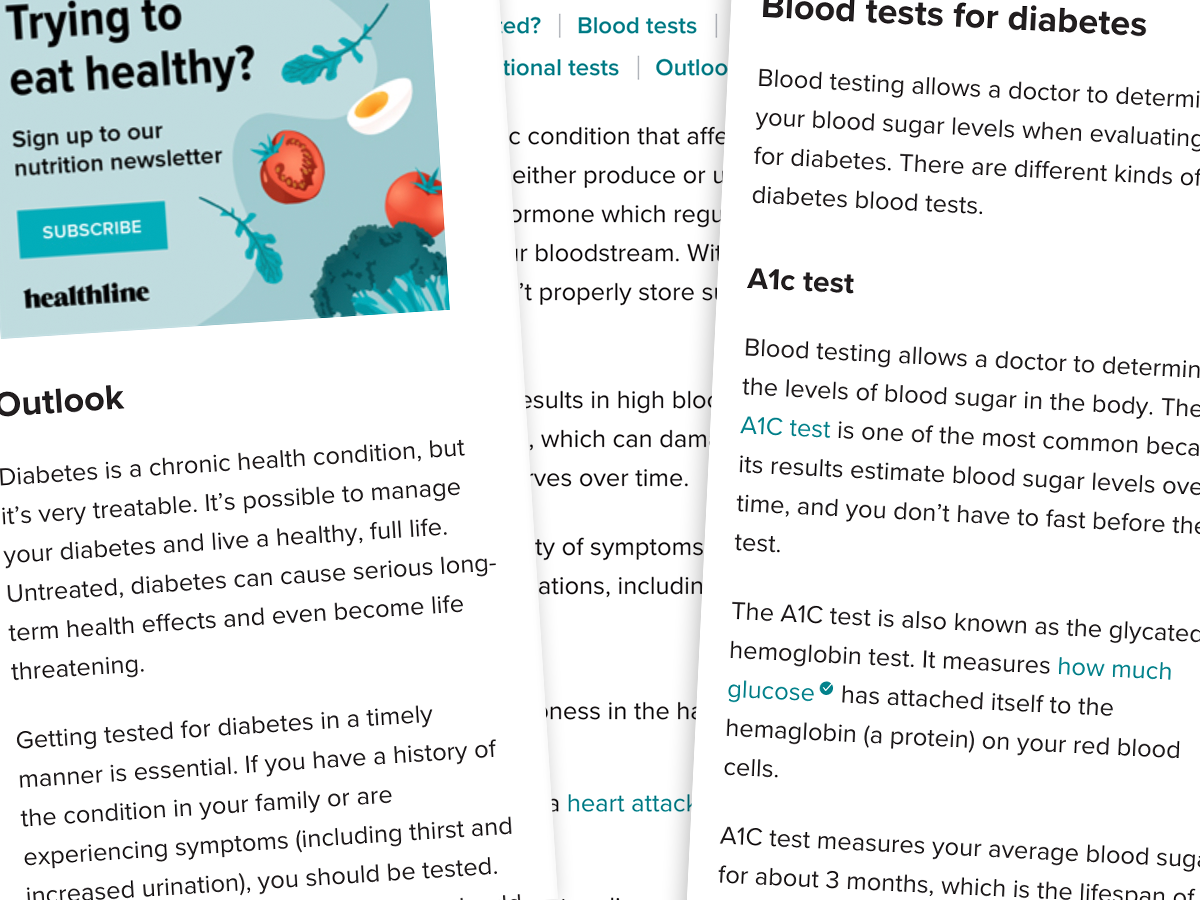
With Google's updated guidelines, Healthline needed to meet both business and user needs. The business wanted to enhance SEO rankings by incorporating personal experiences and increasing on-site user interaction. Users, on the other hand, were looking for accurate health information and the ability to connect with others who shared similar health journeys, making it crucial to create a solution that met these expectations.
Solution
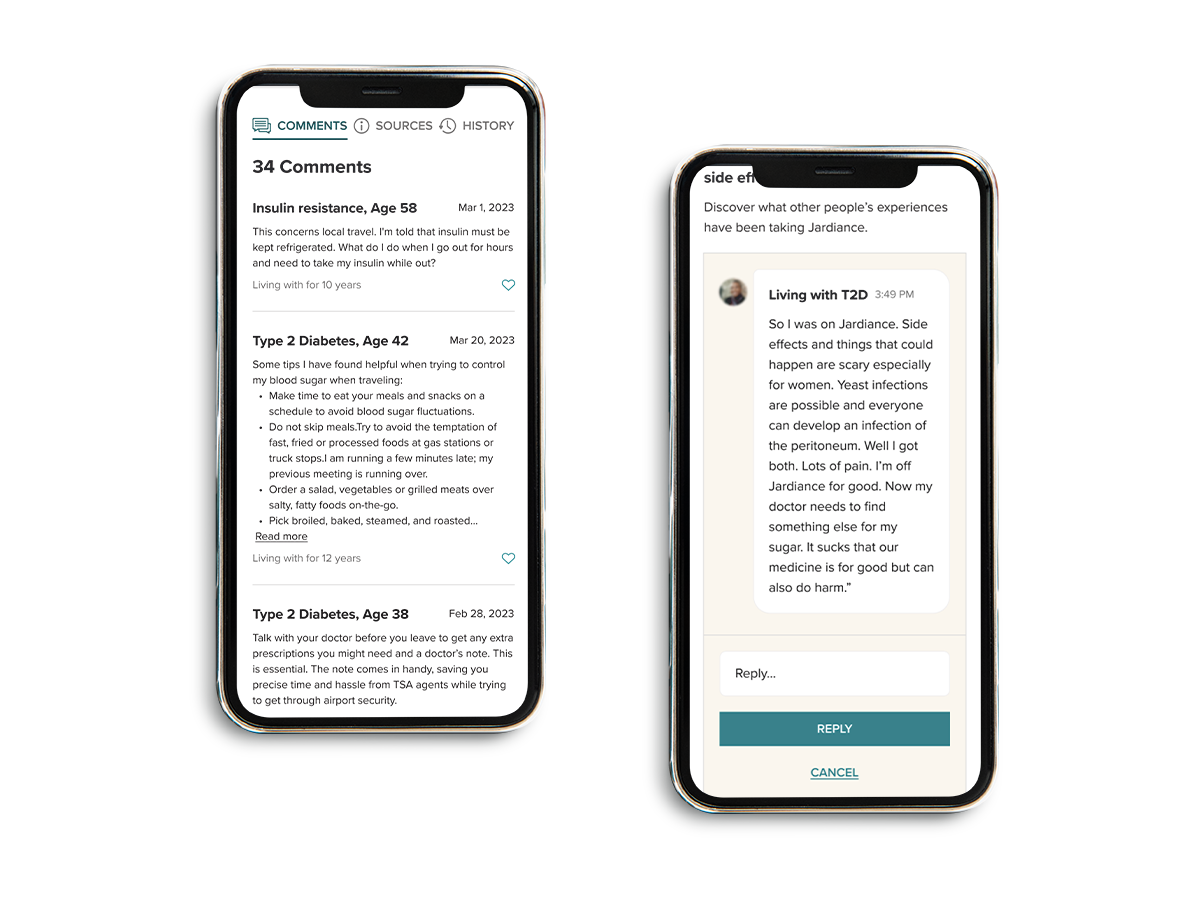
Healthline implemented a phased approach to integrate personal experiences across its articles. In Phase 1, a quote block was introduced to highlight real user stories. Phase 2 explored sourcing experiences from Healthline's Bezzy communities. In Phase 3, a commenting feature was added, allowing users to share their experiences directly on articles. These solutions not only improved user engagement but also aligned with Google’s SEO requirements, helping Healthline stay competitive in the health media space.
Phase 1: Launching the Quote Block
Tasks/Prioritization
The team had a one-month deadline to design, test, and implement a new feature to bring personal experiences to the site. Design had one two-week sprint for research and design, while engineering had a second two-week sprint to implement the solution.
Designs/Specs
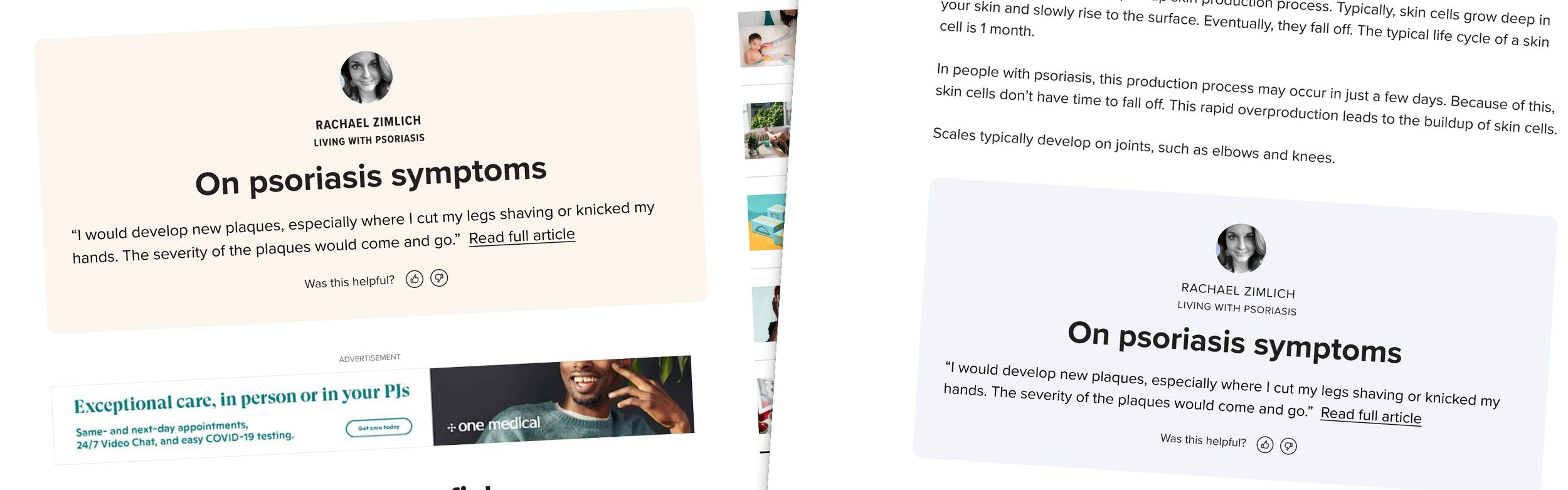
Brainstorming: We developed the concept for a quote block that would feature personal experiences.
Design System Integration: We adapted existing components in the design system to ensure consistency while creating new elements where necessary.
Developer Handoff: I created detailed specs for engineers to implement the quote block efficiently.
Launch
The quote block was initially added to 8 of Healthline’s highest-traffic articles, then launched on 12 articles on its sister site, Medical News Today, with a reskin.
A "helpfulness" metric was introduced to track how users interacted with the new component.
Findings
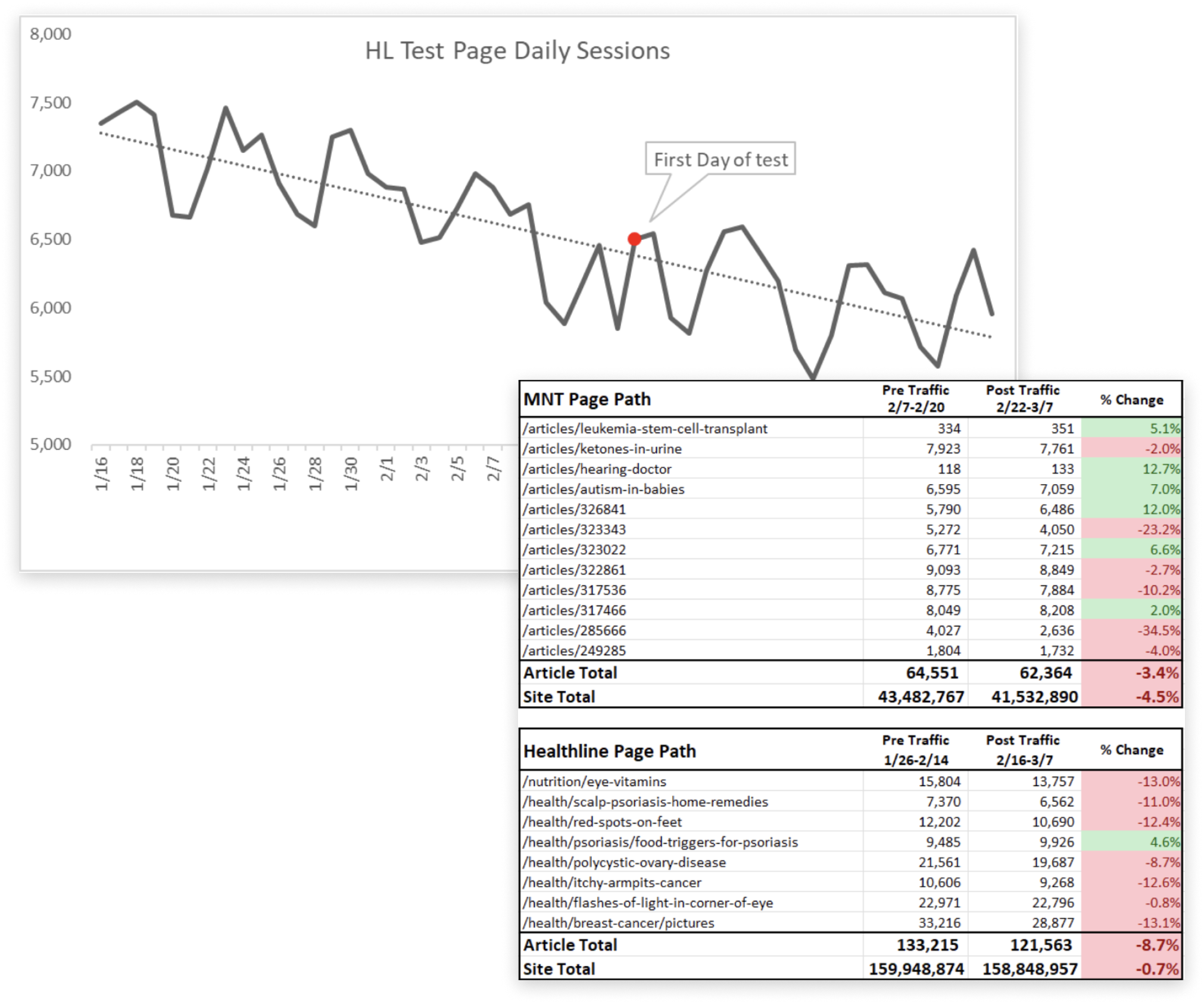
After two weeks of testing, 15 users found the quote block helpful, while 11 did not.
Performance didn’t decrease and likely helped slow a downward trend in user engagement.
However, finding and matching quotes could have been more resource-intensive for editors.
Conclusion
While the quote block showed mixed engagement, it proved sustainable without negatively impacting performance. The resource cost of finding and incorporating quotes was a significant challenge.
Phase 2: Scaling Through Bezzy Integration
Tasks
Reduce the manual effort for editors by sourcing quotes more effectively.
Conduct user testing to determine the most valuable aspects of personal experiences.
Designs
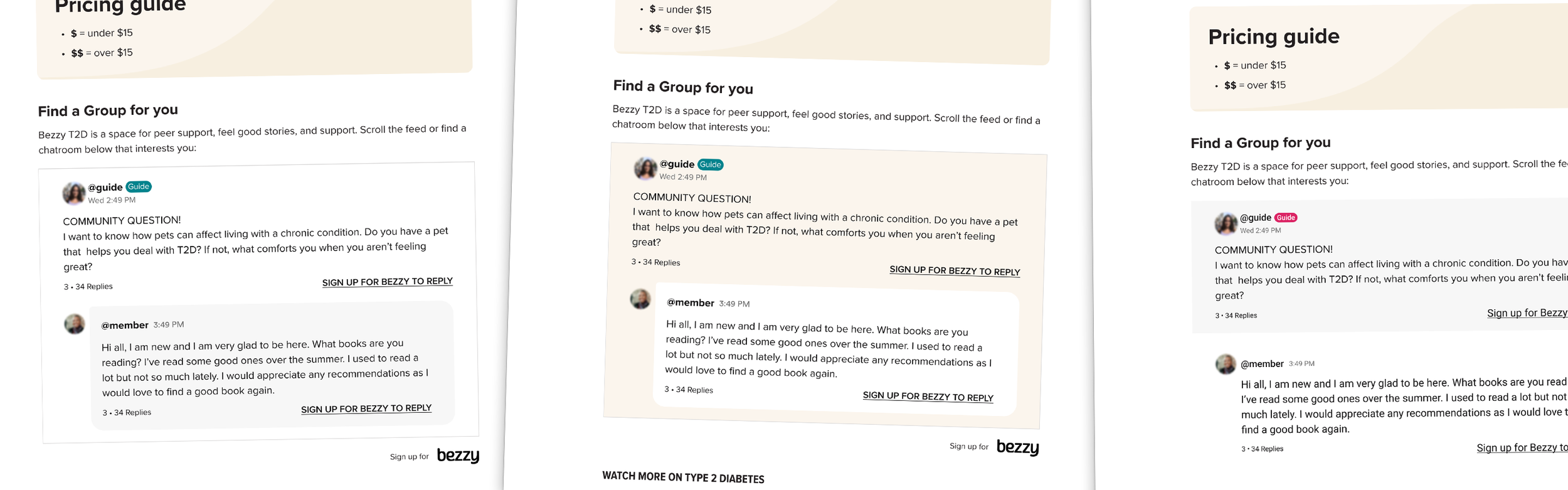
We brainstormed the idea of integrating Bezzy, a suite of online communities for people with chronic conditions, into Healthline to automate sourcing personal experiences.
"I find people who are experiencing the same thing as me more trustworthy than just like someone random online"
"Sometimes the articles for as well written as they are, can kind of take away from the human experience because they have to kind of hit every for everybody."
"I think it's a vital part of the entire experience"
User Testing
We conducted six-hour interviews with people diagnosed with Type 2 Diabetes (T2D) using Usertesting.com. We aimed to understand what elements of personal experiences resonated most with users.
Feedback/Findings
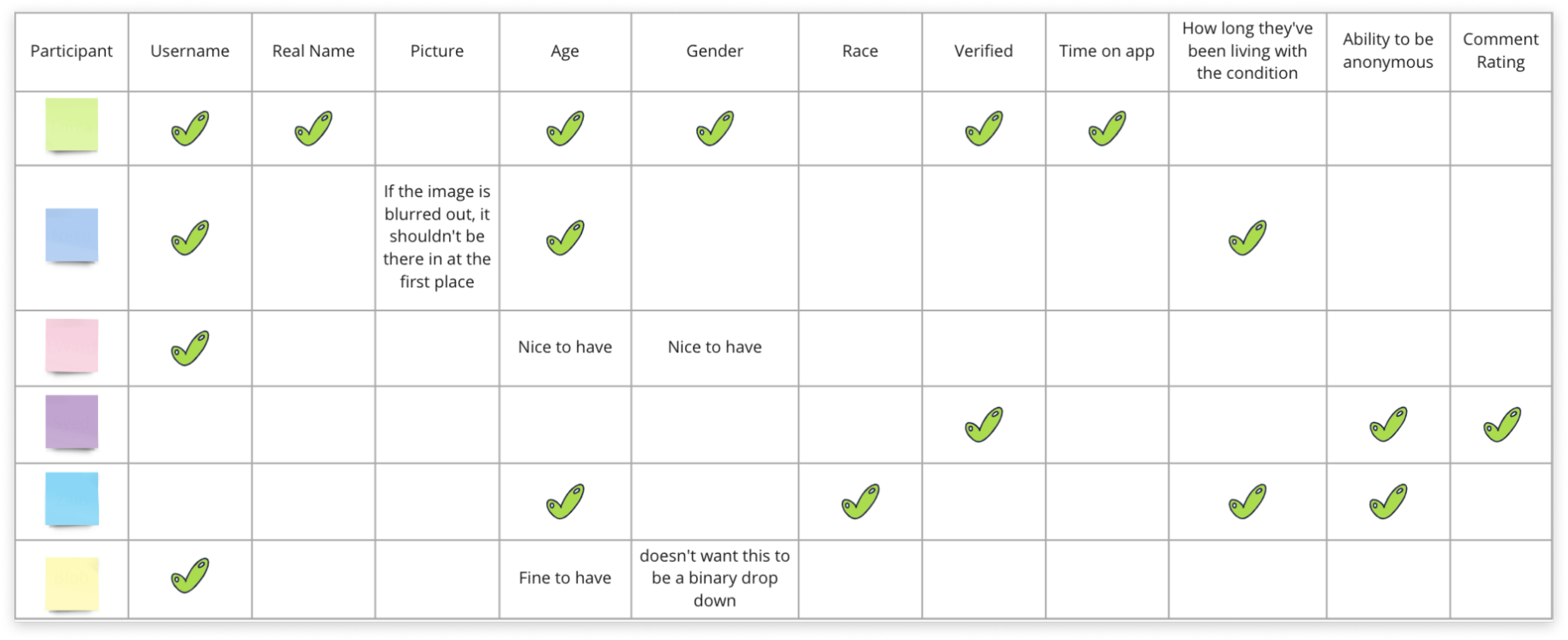
Positive Reactions: Participants found value in reading personal stories from others with similar conditions.
Critical Insights: Users preferred hearing from multiple people and were skeptical of comments without information about the poster.
Confusion: The Bezzy widget was mistaken for a commenting section, which led users to expect more interactivity.
Conclusion
The Bezzy widget was mistaken for a commenting section, which led users to expect more interactivity.
Phase 3: Introducing a Commenting Feature
Tasks
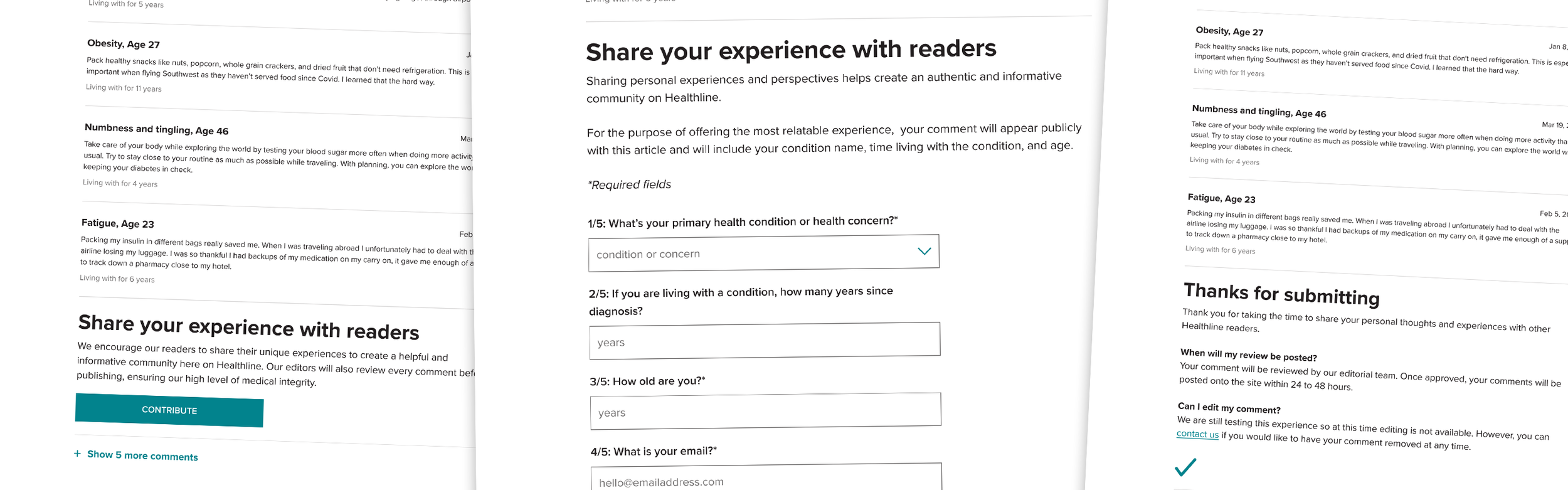
Develop a commenting section that allows users to contribute personal experiences without needing an account.
Enable editor moderation to maintain the site's medical integrity.
Designs
Taking inspiration from commenting systems on other media sites, I prioritized adding usernames and ages to enhance credibility based on Phase 2 feedback. I proposed using email submission for authentication, a solution gleaned from critiques with the creative team.
Launch/Initial Findings
The commenting feature launched on ten articles across different categories.
7 out of 12 users who clicked “Contribute” submitted an approved comment.
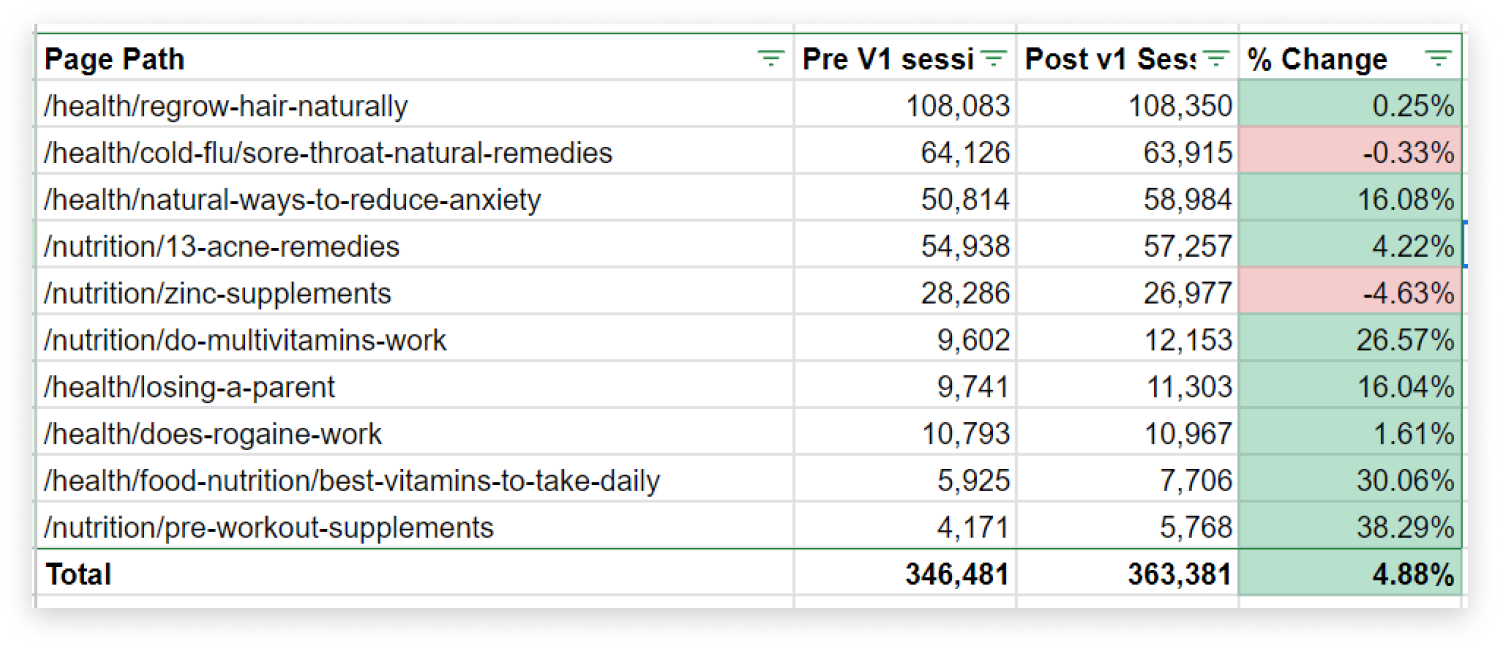
Articles with the commenting feature saw a +4.88% session increase, while the overall site saw a -1.98% decrease in sessions over the same period—a +6.86% delta.
Conclusion
The commenting feature increased user engagement with articles, and the quality of comments was generally high. This success led to further updates, incentivizing users to comment by showing how many others contributed.
Ongoing Updates and Future Plans
Current Updates
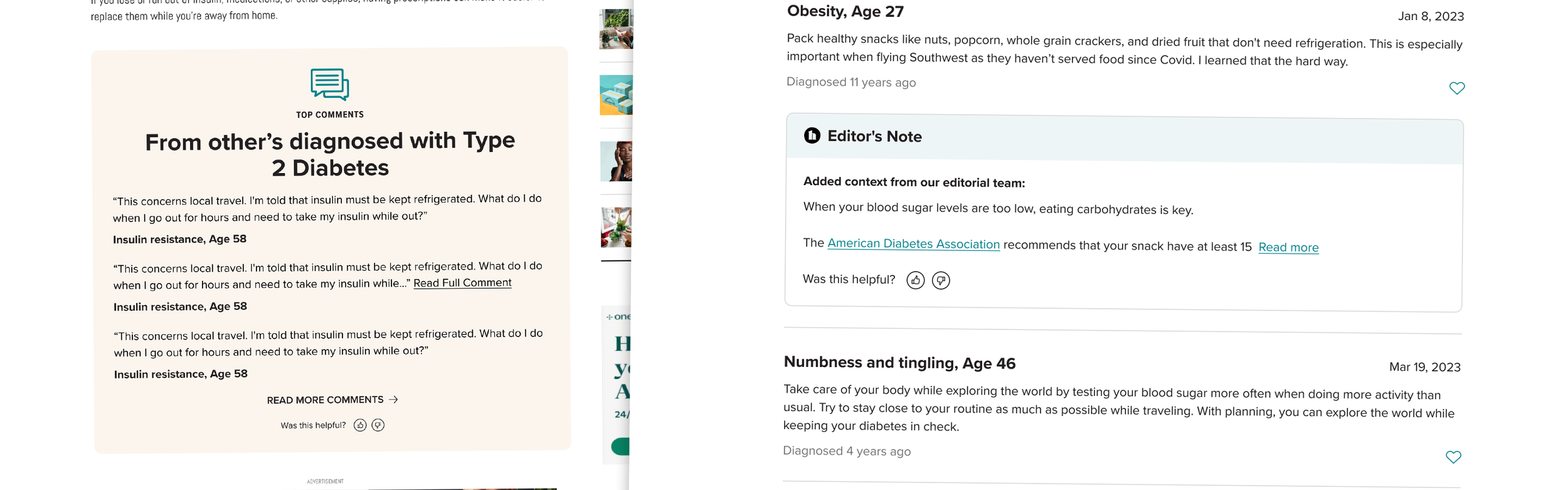
Adding a user count to encourage participation.
Allowing editors to reply with medical notes to provide additional context for comments.
Future Plans
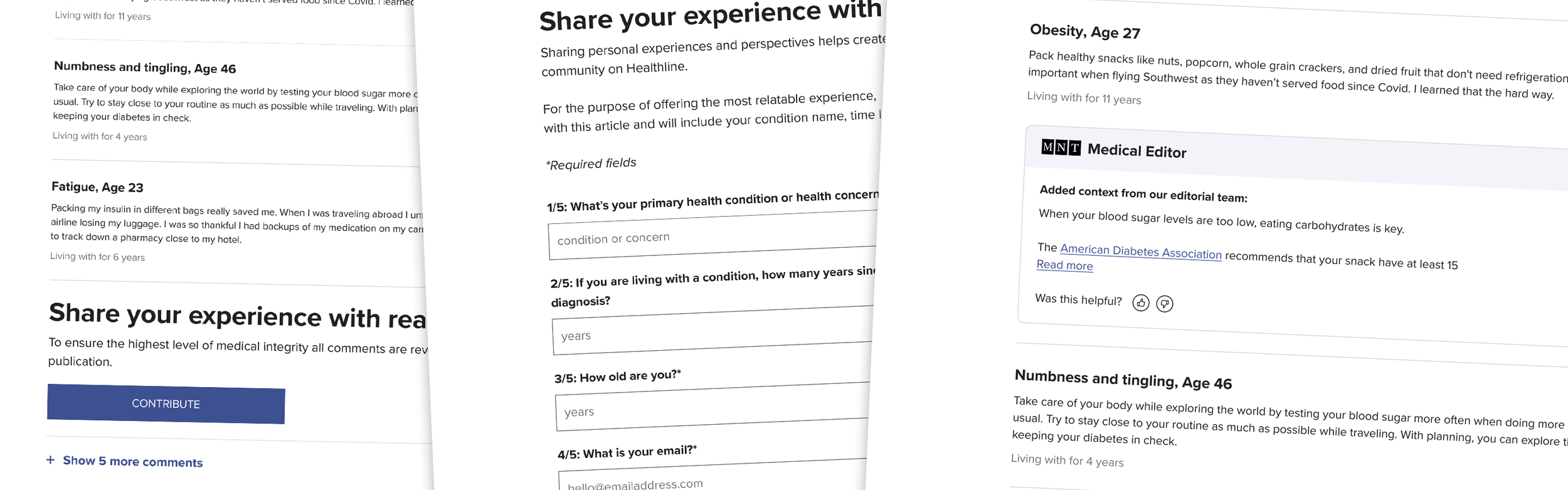
Testing ways to streamline the commenting process and reduce friction.
We are expanding the commenting feature to Medical News Today.
We are adding full user authentication for Healthline commenters.
Conclusion
The Healthline E-E-A-T project successfully integrated personal experiences into the site to meet Google’s updated SEO guidelines. The team improved engagement and SEO rankings by iterating through phases of quote blocks, widget integration, and, eventually, commenting features. Although challenges arose, such as editor workload and user confusion with the Bezzy widget, the final solution significantly increased interaction and user trust.